

Industrial Grass Cutting for Large Sites
Scheduled bulk cutting for industrial sites, estates and open land across Gauteng — the scale of equipment to cover hectares properly, and the schedule to stop it reverting the moment the rains come.
What is industrial grass cutting?
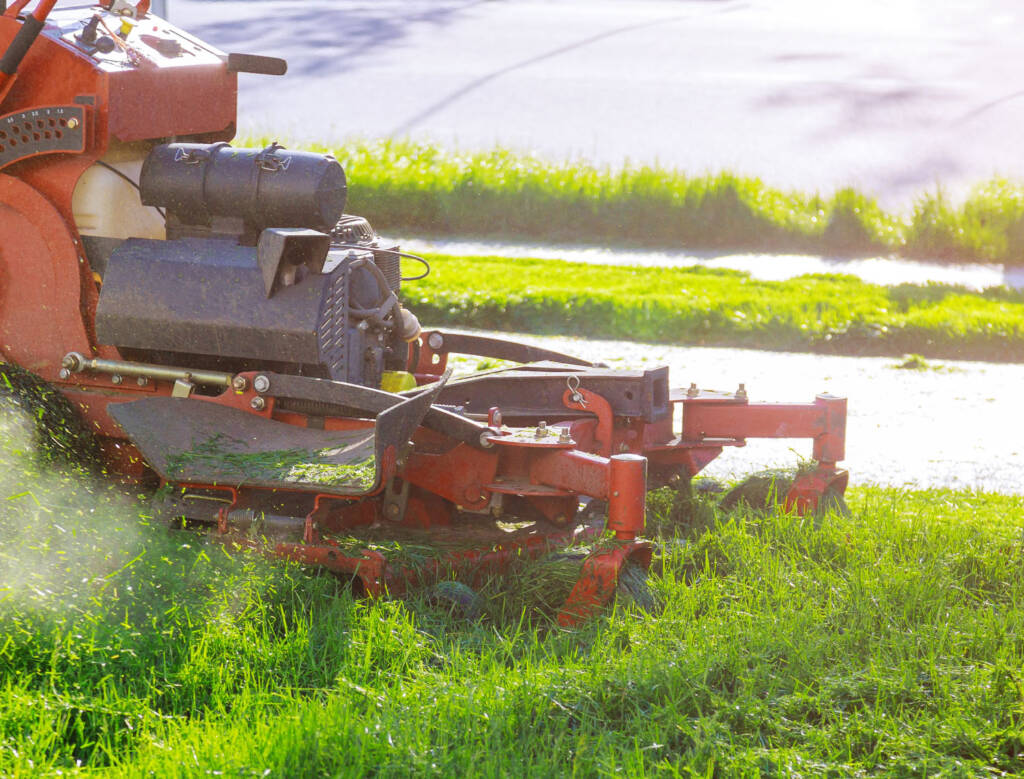
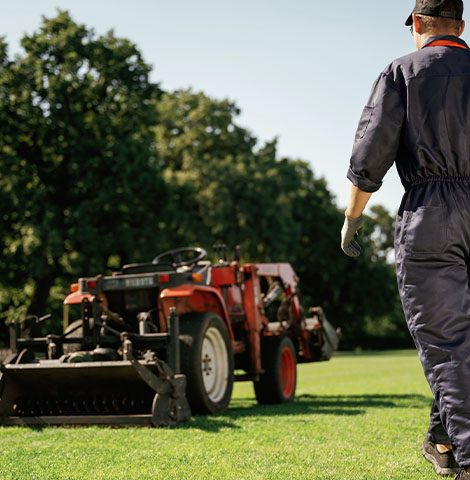
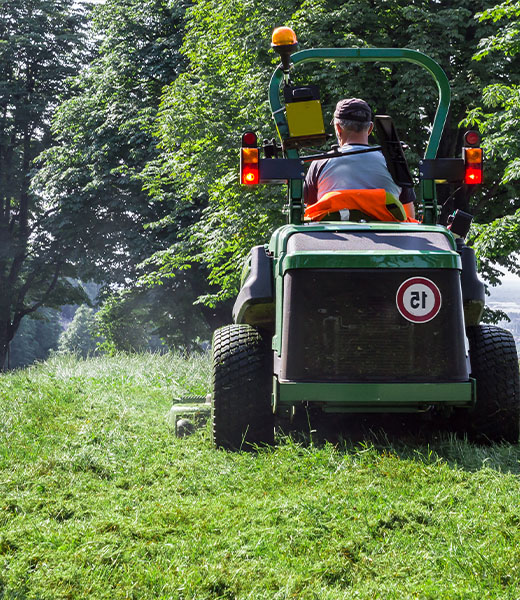
Industrial grass cutting is bulk mowing and slashing of large open areas — factory and plant grounds, yards, servitudes, perimeters, verges and vacant land. It is a coverage and access job, not a garden one: the equipment, the scheduling and the pricing all work differently. Highveld Group cuts large sites across Gauteng on scheduled cycles.
- Based in Founders Hill, Gauteng
- B-BBEE Level 2 contributor
- 20+ years on site
- Hectare-scale coverage
- Scheduled cycles
Scope of work
What we cut and clear
Large sites do not need decorative work. They need the whole area covered, on time, with the awkward edges and perimeters done properly rather than skipped.
Large-area cutting & slashing
Open ground, plant grounds, yards and vacant land cut at scale, including heavy growth that ordinary mowers cannot take on.
Perimeter & boundary clearing
Fence lines, boundary strips and security perimeters kept clear so patrol routes, detection and sightlines are not compromised.
Verges & access roads
Internal access roads, haul routes and verges cut back so vehicle sightlines and road widths stay usable.
Overgrown site clearing
Neglected land brought back under control in a first heavy cut, then held with a normal schedule instead of reverting.
Firebreak preparation
Firebreaks cut and maintained ahead of the dry season, reducing fuel load along boundaries and around infrastructure.
Scheduled seasonal upkeep
Cycles set to the growing season so the site never gets far enough ahead of you to need a clearing operation again.
How it works
How we run a large-site cutting contract
Measure the area and check access
Hectares, terrain, slopes, obstacles and gate access determine which equipment can work the site and how long a cycle takes.
Set cycles against the season
Frequency rises through the summer rains and drops off in winter. Fixed monthly cycles either waste visits or let the site get away from you in January.
Cut, edge and clear
Full coverage including perimeters, fence lines and around infrastructure — the areas most often left when a site is priced too cheaply.
Confirm and report
Clear confirmation of what was cut and when, plus anything noticed on site: damaged fencing, blocked drainage, illegal dumping.
Who we serve
Sites we cut
- Industrial sites, plants and factory grounds
- Logistics parks, yards and depots
- Residential estates with large open areas
- Commercial and mixed-use developments
- Vacant land and land holdings
- Servitudes, corridors and perimeters
Why Highveld
Why overgrowth is a compliance problem, not a cosmetic one
On a large site, uncontrolled grass raises fire risk, hides drainage and services, obstructs security sightlines, and attracts dumping. By the time it looks bad, it has usually been a risk for a while.
- 20+Years of large-site maintenance
- Level 2B-BBEE contributor status
- HectaresEquipment scaled for bulk coverage
- GautengFounders Hill base, regional reach
- Perimeters and fence lines cut, not skipped
- Seasonal cycles instead of a flat monthly visit
- Firebreak preparation ahead of the dry season
- Work planned around site operations and access control
Related services
Services that work alongside bulk cutting
- Landscaping & Grounds MaintenanceFiner grounds care for the presentable areas of the same site.View service
- Tree Trimming & FellingTrees and invasive vegetation beyond what a slasher can handle.View service
- Highway & Infrastructure MaintenanceVerge and median cutting along public road corridors.View service
- Estate MaintenanceBulk cutting as part of a full estate maintenance contract.View service
- Civil & Concrete WorksAccess roads, hardstands and drainage on large sites.View service
- All Highveld Group servicesThe full civil, industrial and estate maintenance offering.Browse services
Questions
Industrial grass cutting FAQs
How often should a large site be cut?
In Gauteng, most industrial sites need cutting roughly every four to six weeks through the summer rains from about October to March, and considerably less often through the dry winter. Sites with security or fire-risk sensitivity usually run tighter cycles in summer. We set it against the site rather than selling a fixed twelve visits a year.
How is industrial grass cutting priced?
Primarily on area, but terrain, slope, obstacles, access and current growth height all affect it. A flat open hectare and a hectare of sloped ground broken up by infrastructure are very different jobs. A first cut on a badly overgrown site is also priced separately from the ongoing cycle.
Can you handle a site that has been left for a long time?
Yes. Heavily overgrown sites need slashing equipment rather than mowers, and often a staged approach — a heavy first cut, then a follow-up once the material has dried and the ground is visible. After that a normal schedule holds it easily.
Do you remove the cuttings?
On bulk cutting, material is normally mulched and left in place, which is standard for large areas and returns nutrients to the ground. Where cuttings need to be collected and removed — around buildings, in fire-sensitive zones, or for appearance — we quote that separately.
Do you prepare and maintain firebreaks?
Yes. Firebreaks are cut and maintained ahead of the dry season to reduce fuel load along boundaries and around infrastructure. Landowners in South Africa carry legal duties regarding veld fire prevention, so it is worth confirming your specific obligations and having the breaks in place before winter rather than during it.
Can you work around operating plant and access control?
Yes. On active industrial sites we work to your access, induction and safety requirements, and schedule around operations, deliveries and shift patterns so cutting does not interfere with the working site.
What is the difference between this and grounds maintenance?
Industrial grass cutting is about coverage of large areas with heavy equipment. Grounds maintenance is finer work — edging, beds, pruning, presentation. Many sites need both: bulk cutting on the open ground, grounds maintenance around the offices and entrance.
Which areas do you service?
We are based in Founders Hill, Gauteng, and work across Johannesburg, Ekurhuleni, Tshwane and the wider Gauteng region, with larger regional sites considered on scope.
Get your site on a cutting schedule
Tell us the area and where it is. We will price the first cut and the ongoing cycle separately so you can see exactly what the catch-up costs versus the upkeep.
Looking for a dependable partner for your project or property?
Contact Highveld Group today to discuss your requirements.